

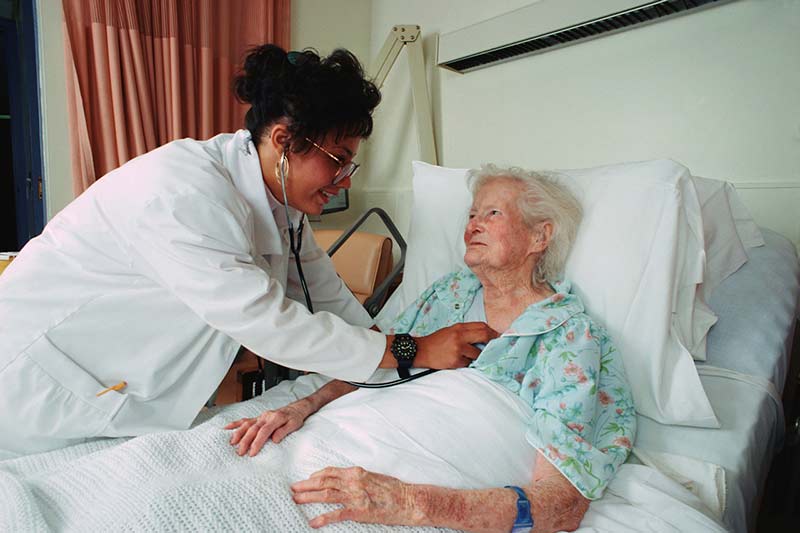
Nursing homes are meant to provide safety, care and dignity for older adults. Yet falls, medication errors, bedsores and other preventable injuries remain a serious concern across the country. Families who understand common risks and take an active role in care can dramatically reduce the chances of harm, while also protecting their loved one’s rights. Beck, Lenox & Stolzer Estate Planning and Elder Law, LLC, offers this information and key steps to prevent nursing home injuries in Seniors from AllSeniors.org
Prevention is not about distrust. It is about partnership, communication and making sure proper standards are consistently followed.
Why Nursing Home Injuries Happen
Injuries often occur when facilities are understaffed, poorly trained, or overworked. Residents may have complex medical needs, mobility limitations, or cognitive impairments that require close monitoring. When care plans are rushed or ignored, small issues can quickly become serious.
Common causes of injury include inadequate supervision, unsafe environments, poor hygiene practices and failure to follow medical instructions. Recognizing these risks early allows families to step in before harm occurs.
Steps Families can Take to Reduce Risk
Families play a vital role in prevention by staying informed and involved. Consistent communication with staff and regular visits help identify problems before they escalate. Some of the most effective protective actions include:
- Reviewing care plans regularly: Make sure medications, therapy needs and dietary restrictions are being followed
- Watching for physical warning signs: Bruising, bedsores, sudden weight loss, or changes in mood can signal neglect
- Observing the facility environment: Poor lighting, cluttered hallways and broken equipment increase fall risk
When concerns arise, addressing them quickly with facility administrators can often resolve issues before serious injury occurs.
Building a Safer Care Environment
Facilities that prioritize safety invest in training, staffing and oversight. Families can ask about staff-to-resident ratios, emergency procedures and fall prevention programs. Encouraging open dialogue with caregivers builds trust and ensures that everyone shares the same goals.
Keeping detailed notes of visits, conversations and observed changes also helps create a clear picture of care quality over time.
When Legal Help becomes Necessary
If a loved one suffers repeated injuries or the facility fails to respond to concerns, it may be time to speak with an elder law attorney who deals with this area. Legal professionals can help families understand residents’ rights, document neglect and pursue appropriate action when standards are not met. IMPORTANT NOTE: Beck, Lenox & Stolzer does not provide litigation services. If you feel you have a need for that, we can refer you to attorneys who practice in that area. We are providing this article for information purposes only.
Legal advocacy not only protects the injured individual but also helps ensure safer conditions for other residents.
Creating Peace of Mind Through Prevention
Nursing home injuries are not inevitable. With attention, communication and accountability, families can help ensure that their loved ones live in a safe, respectful environment. Being proactive today can prevent serious harm tomorrow.
Key Takeaways
- Injuries are often preventable: Many stem from understaffing or poor oversight
- Family involvement matters: Regular visits and communication reduce risk
- Early warning signs should not be ignored: Physical and behavioral changes signal problems
- Legal guidance protects residents: Attorneys help enforce care standards
Reference: AllSeniors.org (Jan. 13, 2026) “Protecting Seniors From Nursing Home Injuries: 2026 Legal Insights”